
Foster Artificial Grass Installation Services
Choose our Artificial Grass Installation for a beautiful, low-maintenance lawn that saves water, stays green year-round, and enhances your outdoor living—perfect for families, pets, and anyone seeking effortless curb appeal.
Get a Free QuoteOur Foster Landscaping & Yard Care Services
When to Schedule Artificial Grass Installation in Foster, Rhode Island – Seasonal Guide
Choosing the right time for artificial grass installation in Foster, Rhode Island, can make a significant difference in the longevity and appearance of your new lawn. Foster’s climate features cold winters with frequent frost, mild springs, and warm, humid summers. The optimal installation window is typically late spring through early fall, when the ground is thawed and precipitation is moderate. This timing allows for proper ground preparation and ensures the turf adheres well, especially in neighborhoods like Moosup Valley and near the Foster Center Historic District, where soil conditions and shade from mature trees can vary.
Local environmental factors such as late spring frost dates, summer drought risk, and the region’s well-drained, rocky soils all play a role in scheduling. Areas with dense tree coverage, like those near the Foster Public Library, may require additional planning to address shade and leaf debris. It’s also important to check for any municipal guidelines or seasonal restrictions, which can be found on the Town of Foster’s official website.
Benefits of Artificial Grass Installation in Foster
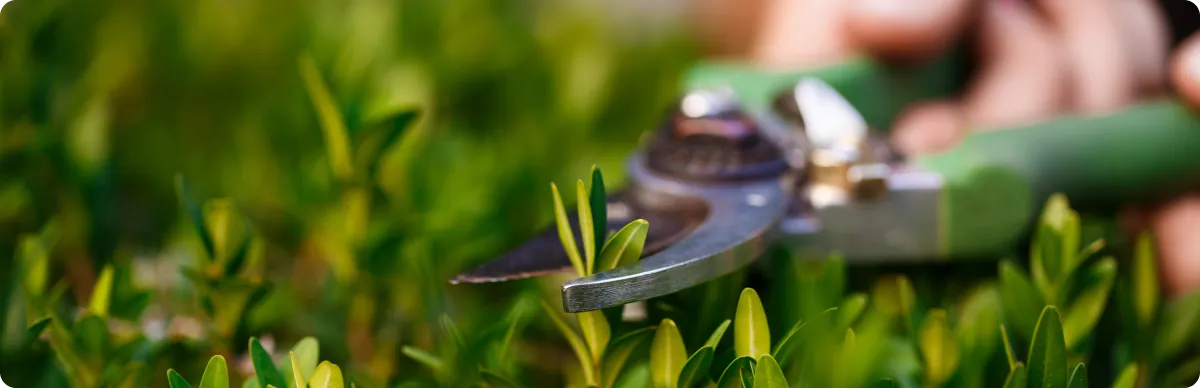
Low Maintenance Landscaping
Year-Round Green Appearance
Water Conservation
Pet and Child Friendly Surfaces
Cost-Effective Lawn Solution
Quick and Professional Installation
Foster Artificial Grass Installation Types

Residential Lawn Installation
-
Commercial Landscape Turf
-
Pet-Friendly Artificial Grass
-
Playground Turf Solutions
-
Sports Field Turf Installation
-
Rooftop and Balcony Turf
-
Golf Putting Green Installation
Our Artificial Grass Installation Process
Site Evaluation
Ground Preparation
Base Installation
Laying Artificial Grass
Finishing and Inspection
Why Choose Foster Landscape Services

-
Foster Homeowners Trust Us
-
Expert Lawn Maintenance
-
Reliable Scheduling
-
Competitive Pricing
-
Professional Team
-
Satisfaction Guarantee
-
Personalized Service
Foster’s Glacial Till Soils and Drainage Considerations for Artificial Grass Installation
Artificial grass installation in Foster requires careful assessment of the town’s predominant glacial till soils, which are typically classified as Inceptisols and Udults according to the USDA Web Soil Survey. These soils are often rocky, moderately acidic (pH 5.5–6.5), and can exhibit poor drainage, especially in low-lying or compacted areas. Proper site preparation should include:
- Removal of rocks and debris to a depth of at least 4 inches
- Installation of a 2-3 inch gravel base for drainage
- Use of geotextile fabric to prevent weed growth and soil mixing
- Soil testing through University of Rhode Island Cooperative Extension (typical cost: $15–25) Addressing drainage is critical to prevent water pooling and ensure the longevity of artificial turf. For properties near wetlands or conservation areas, a 25-foot no-disturbance buffer is standard, enforced by the Foster Conservation Commission.
Foster RI Conservation Commission
181 Howard Hill Road, Foster, RI 02825
Phone: (401) 392-9200
Official Website: Foster RI Conservation Commission
Municipal Permitting and Zoning Requirements for Artificial Turf in Foster
All artificial grass installations in Foster must comply with local zoning and permitting requirements, particularly for projects exceeding 200 square feet or those within regulated setbacks. The Foster Building & Zoning Department requires:
- Permit application for installations over 200 sq ft (fee: $50; review: 7–10 business days)
- Minimum 25-foot setback from wetlands and 50-foot setback from property lines in certain zones
- Compliance with Foster’s Town Ordinances, including Section 12-4 on land disturbance
- Submission of site plan showing drainage modifications Noise from installation equipment is restricted to:
- Monday–Friday: 7:00 AM – 7:00 PM
- Saturday: 8:00 AM – 6:00 PM
- Sunday and holidays: Prohibited For detailed zoning maps and permit forms, consult the Building & Zoning Department.
Foster RI Building & Zoning Department
181 Howard Hill Road, Foster, RI 02825
Phone: (401) 392-9202
Official Website: Foster RI Building & Zoning Department
Environmental Compliance: Stormwater, Wetlands, and State Regulations in Foster
Artificial grass projects in Foster must adhere to both local and state environmental regulations to protect water quality and sensitive habitats. The Rhode Island Environmental Rights Act and Clean Water Act require:
- No infill or runoff discharge into storm drains or wetlands (MS4 permit compliance)
- 25-foot no-disturbance buffer from wetlands, enforced by the Conservation Commission
- Use of permeable base materials to minimize runoff
- Prohibition of synthetic turf installation within 50 feet of open water bodies
- Proper disposal of installation debris at approved facilities For guidance on wetland boundaries and stormwater best practices, coordinate with the Conservation Commission and the Rhode Island Department of Environmental Management.
Foster RI Conservation Commission
181 Howard Hill Road, Foster, RI 02825
Phone: (401) 392-9200
Official Website: Foster RI Conservation Commission
Rhode Island Department of Environmental Management
235 Promenade Street, Providence, RI 02908
Phone: (401) 222-4700
Official Website: Rhode Island Department of Environmental Management
Timing and Weather Considerations for Artificial Grass Installation in Foster’s Climate
Foster is located in USDA Hardiness Zone 6b, with average annual minimum temperatures of -5°F to 0°F. The optimal installation window for artificial grass is April 15 to October 15, when soil temperatures are above 50°F and the risk of frost is minimal. Key timing guidelines include:
- Avoid installation during periods of heavy rain (April and November are typically wettest)
- Schedule base preparation when soil is dry to prevent compaction
- Monitor local weather forecasts through the National Weather Service - Boston/Norton Office
- Allow 24–48 hours for base settling before turf placement
- Complete infill and brushing before first frost (typically late October) Weather delays may extend project timelines, especially in spring and late fall. For up-to-date weather alerts, consult the National Weather Service.
What Neighborhoods Do We Serve Throughout Foster, RI?
- Clayville: Features rocky, moderately acidic soils with variable drainage, requiring thorough base preparation and drainage layers for artificial turf.
- Moosup Valley: Characterized by larger lots and proximity to conservation land, installations here must observe wetland buffers and may face access limitations due to mature tree cover.
- Hopkins Mills: Contains historic properties and older infrastructure, where compacted soils and narrow access points can affect equipment staging and installation methods.
- South Foster: Includes areas near the Foster Land Trust preserves, where environmental sensitivity and wildlife corridors necessitate strict compliance with buffer and runoff regulations.
- Mount Vernon: Known for sloped terrain and seasonal water flow, requiring enhanced drainage solutions and erosion control during installation.
- Jerimoth Hill: The highest elevation in Rhode Island, with exposed rocky soils and wind exposure, demanding secure anchoring and specialized turf materials.
- Foster Center: The town’s civic hub, with mixed-use properties and public facilities, where coordination with municipal departments and adherence to public safety standards is essential.